
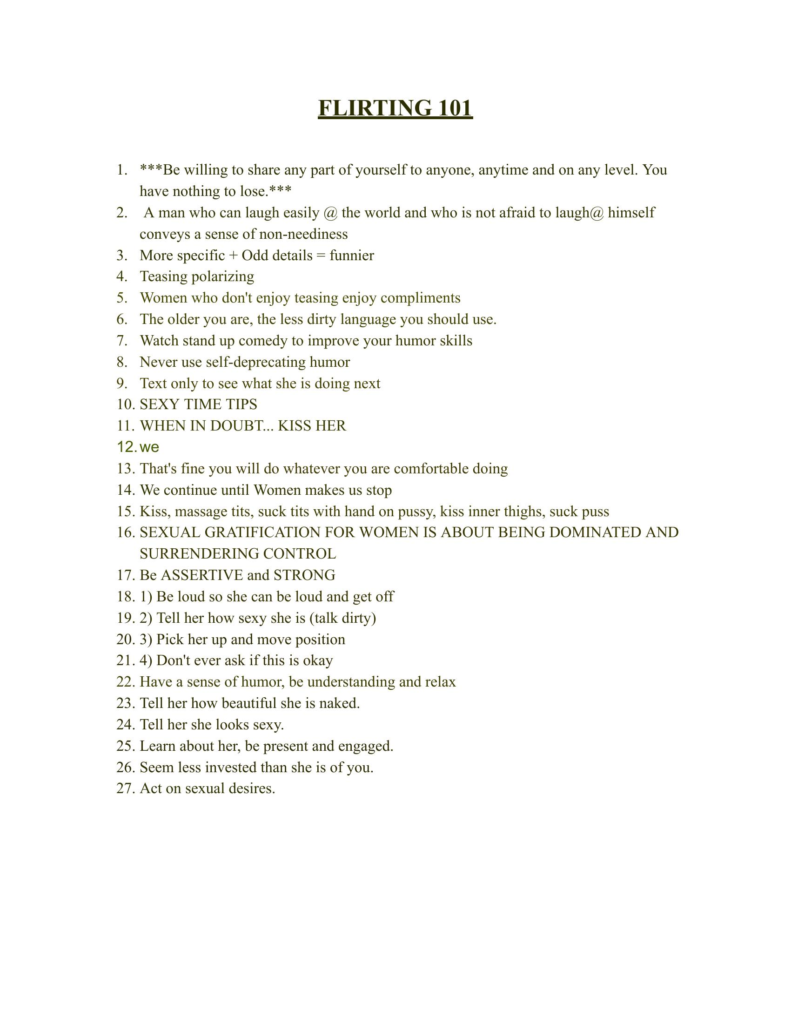
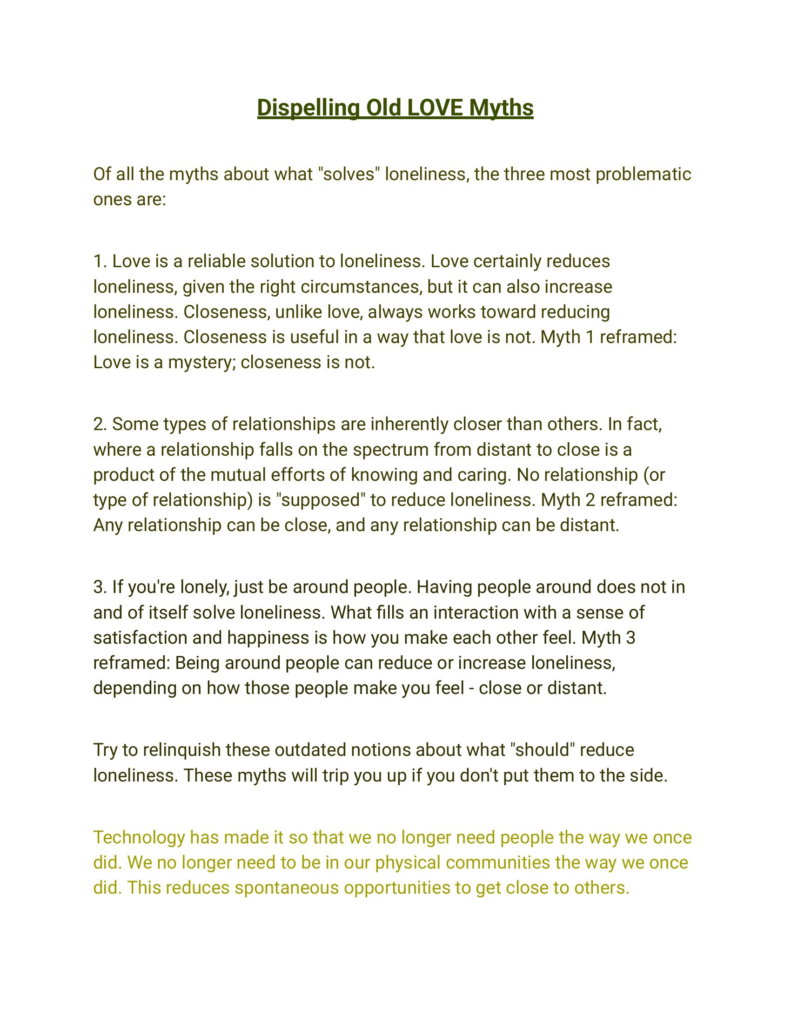
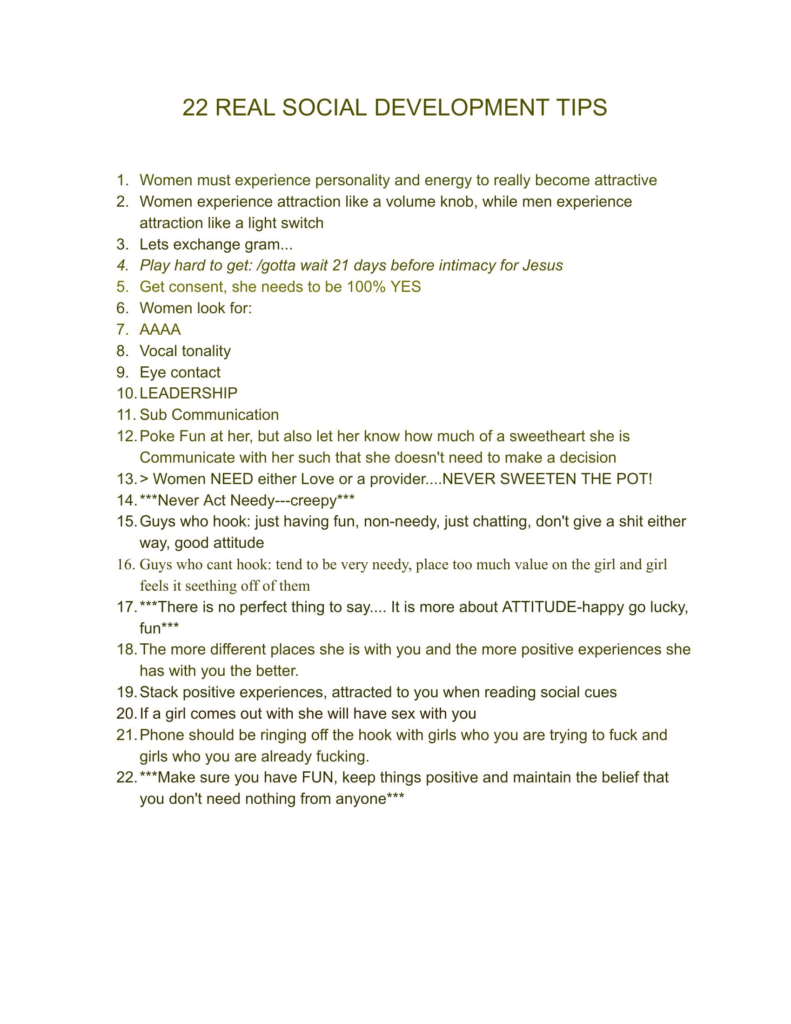
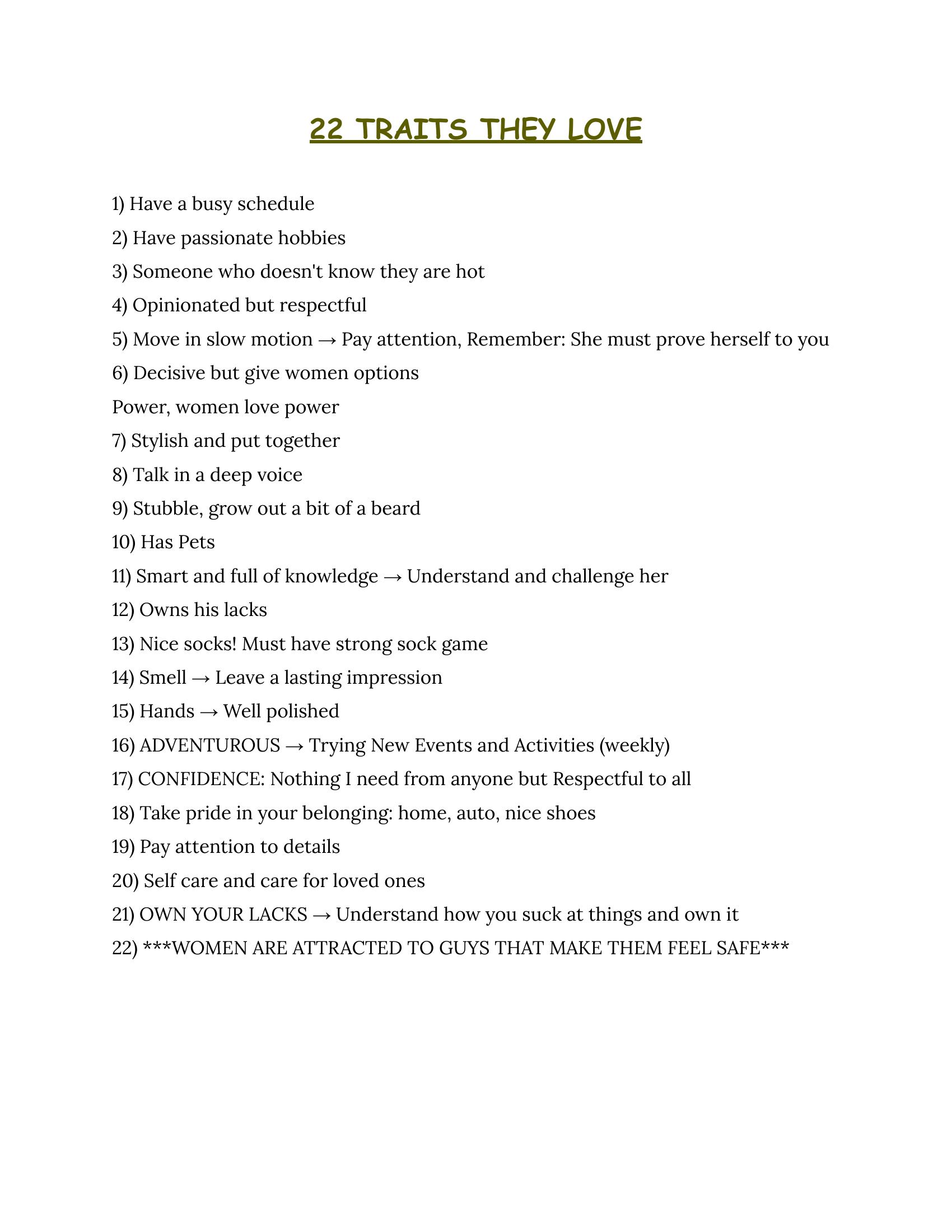
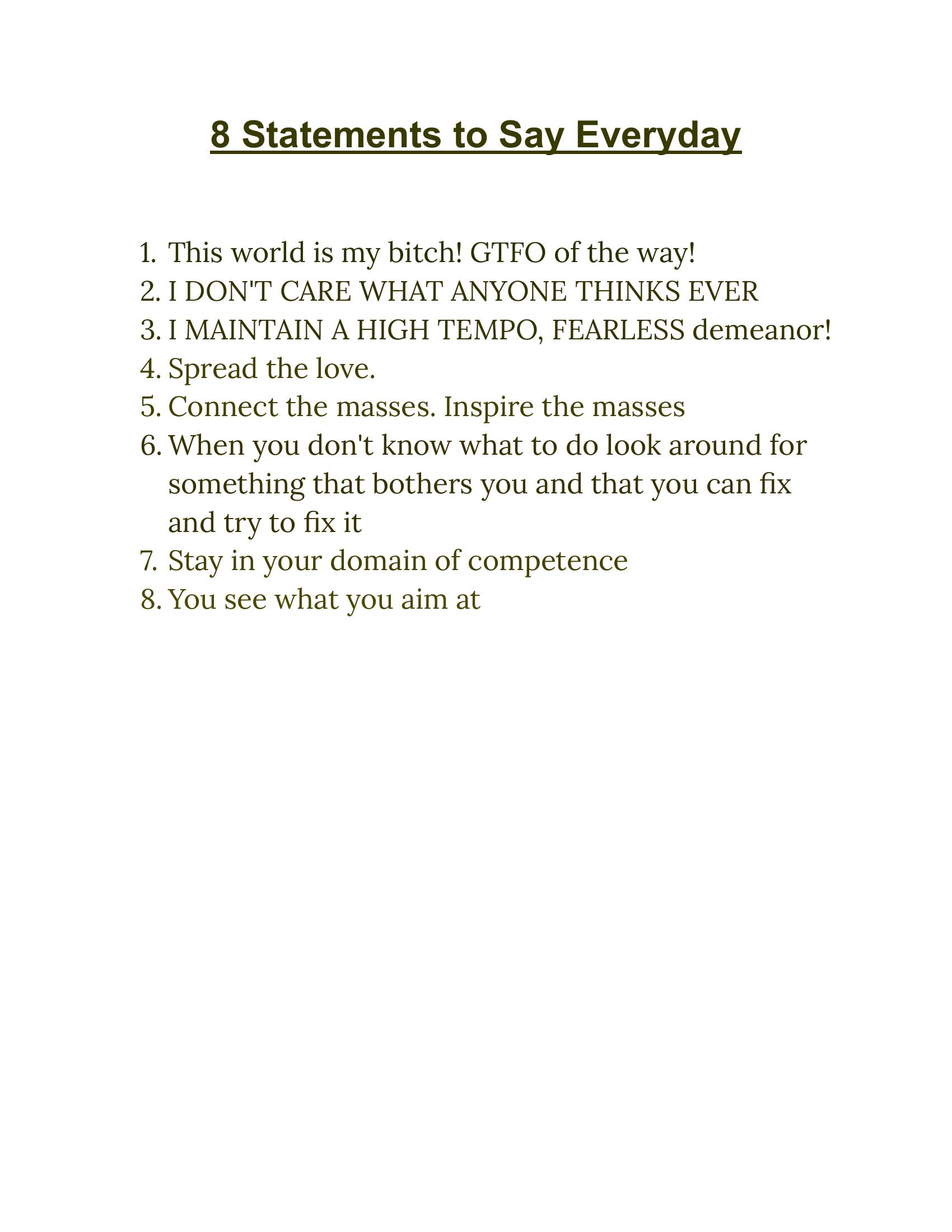
Social confidence is not about becoming the loudest person in the room or memorizing the perfect line. The goal is to feel more comfortable starting conversations, expressing yourself honestly, and recognizing when a connection is mutual. These visual guides offer reminders to practise—not rules for controlling someone else’s reaction.
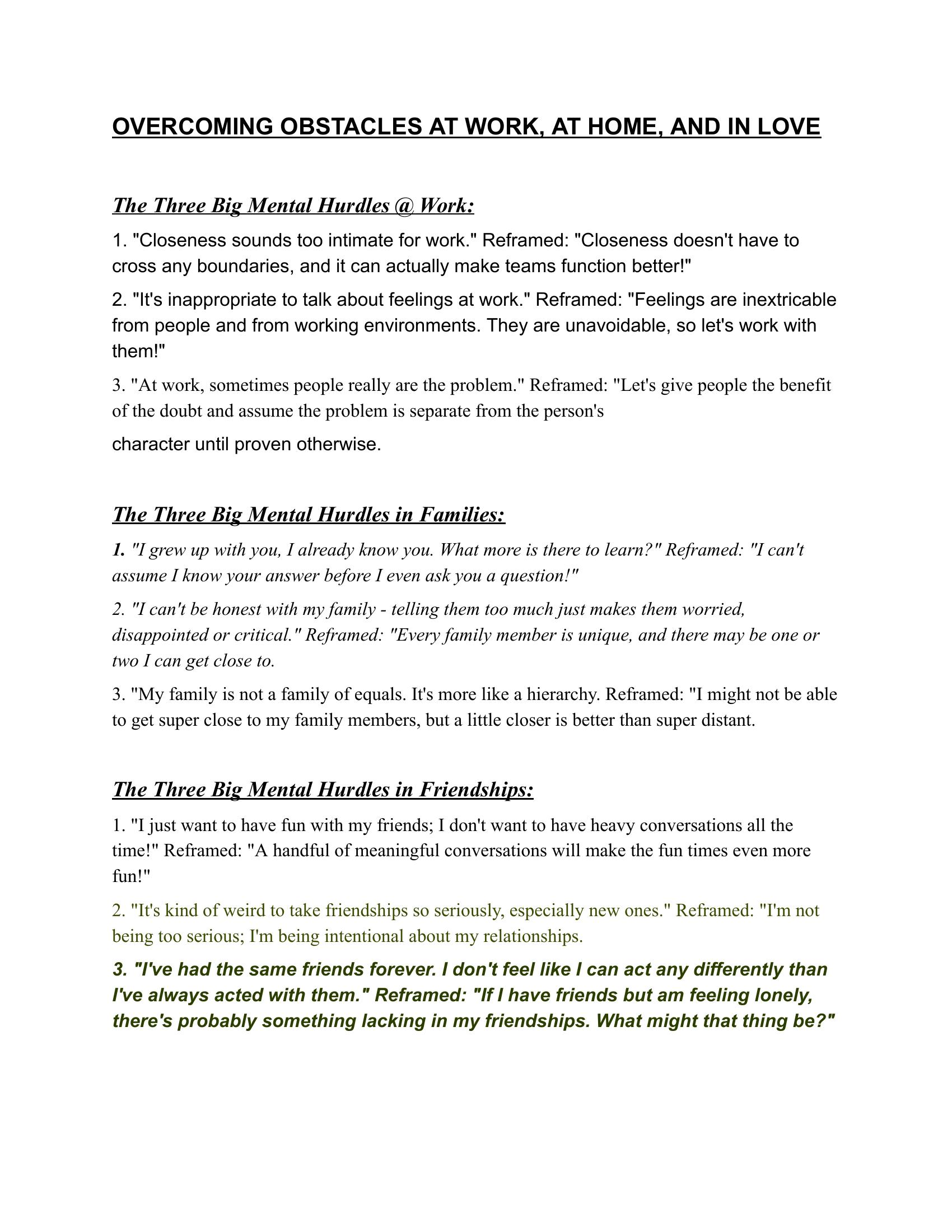
Start with the topic that matches something you actually find difficult: beginning a conversation, showing interest, speaking up, or handling rejection. Choose one action to try rather than attempting a complete personality makeover. Below the graphics, you’ll find practical examples for putting those ideas into everyday use.





Putting the Guides into Practice
Start a conversation without turning it into a performance
Choose an opening that fits the situation. At a community event, “Have you been to one of these before?” gives the other person something straightforward to answer. Listen to the response and ask one related question instead of rushing through a list of topics. Share something about yourself, too, so the exchange does not become an interview. Your practice goal is to initiate a respectful conversation—not to make every conversation last.
Show interest without applying pressure
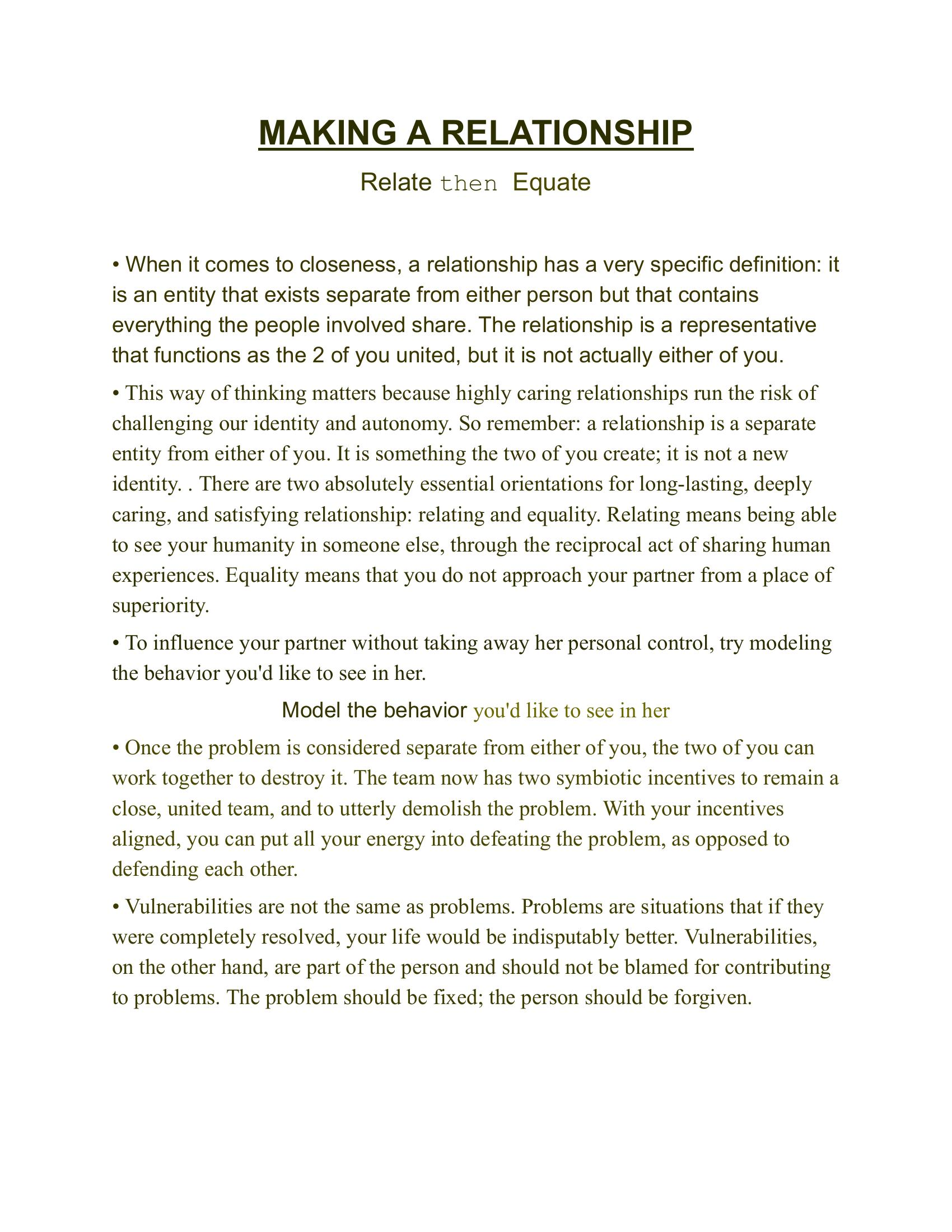
A compliment or invitation should leave the other person free to decline. “I’ve enjoyed talking with you. Would you like to grab a coffee sometime?” is clearer than trying to decode every gesture. Do not treat friendliness as proof of romantic interest, and do not treat silence as agreement. Accept a refusal or an unanswered invitation without arguing or repeatedly asking. Confidence includes being willing to hear an answer you did not hope for.
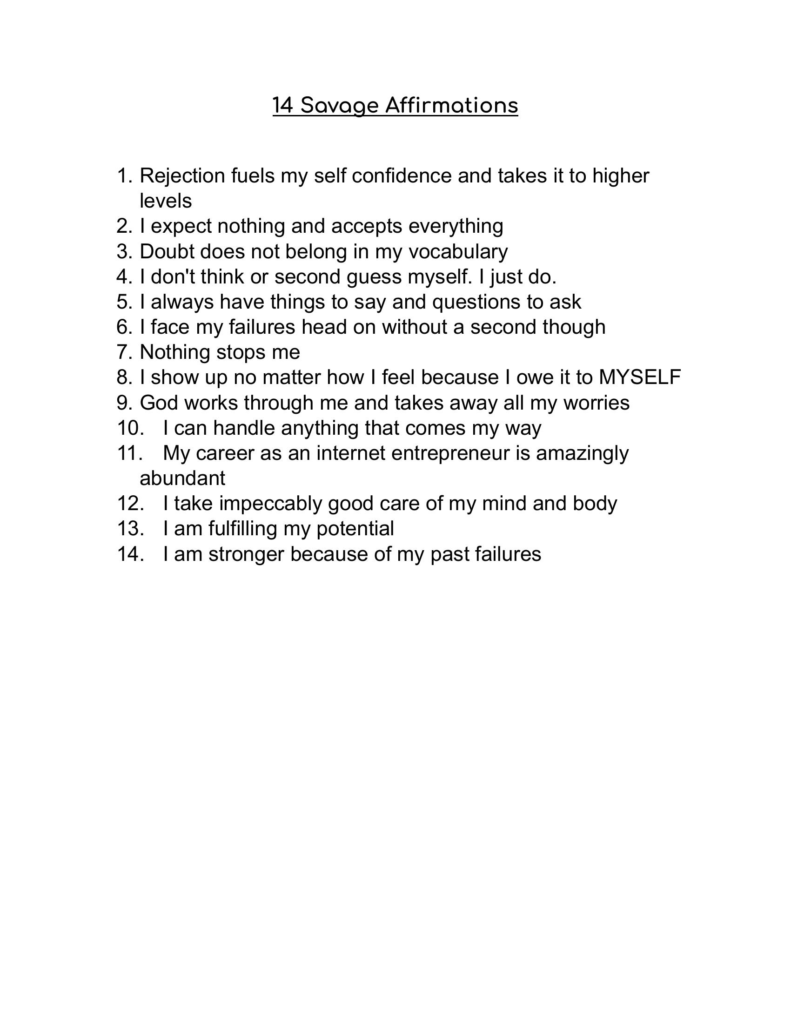
Connect encouraging words to a specific action
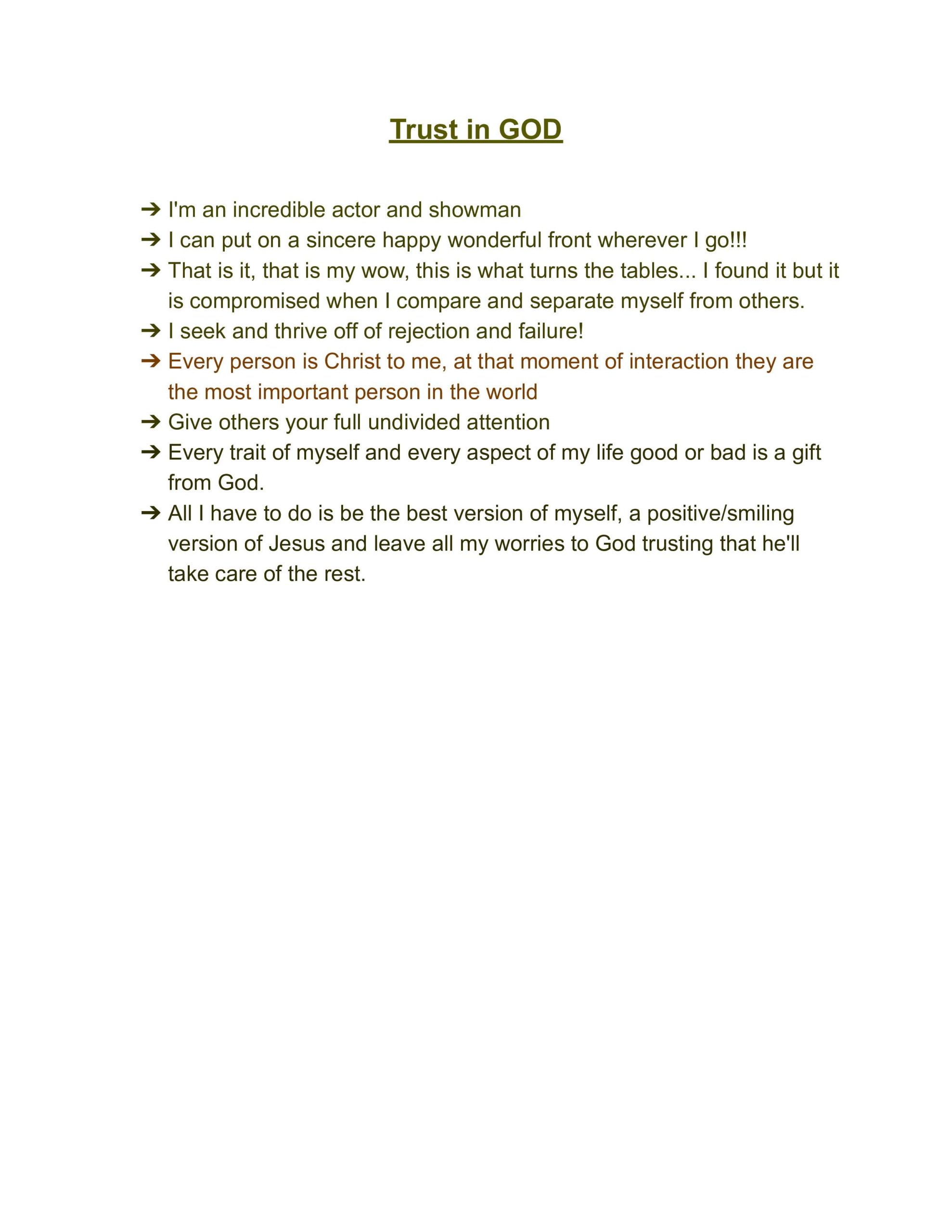
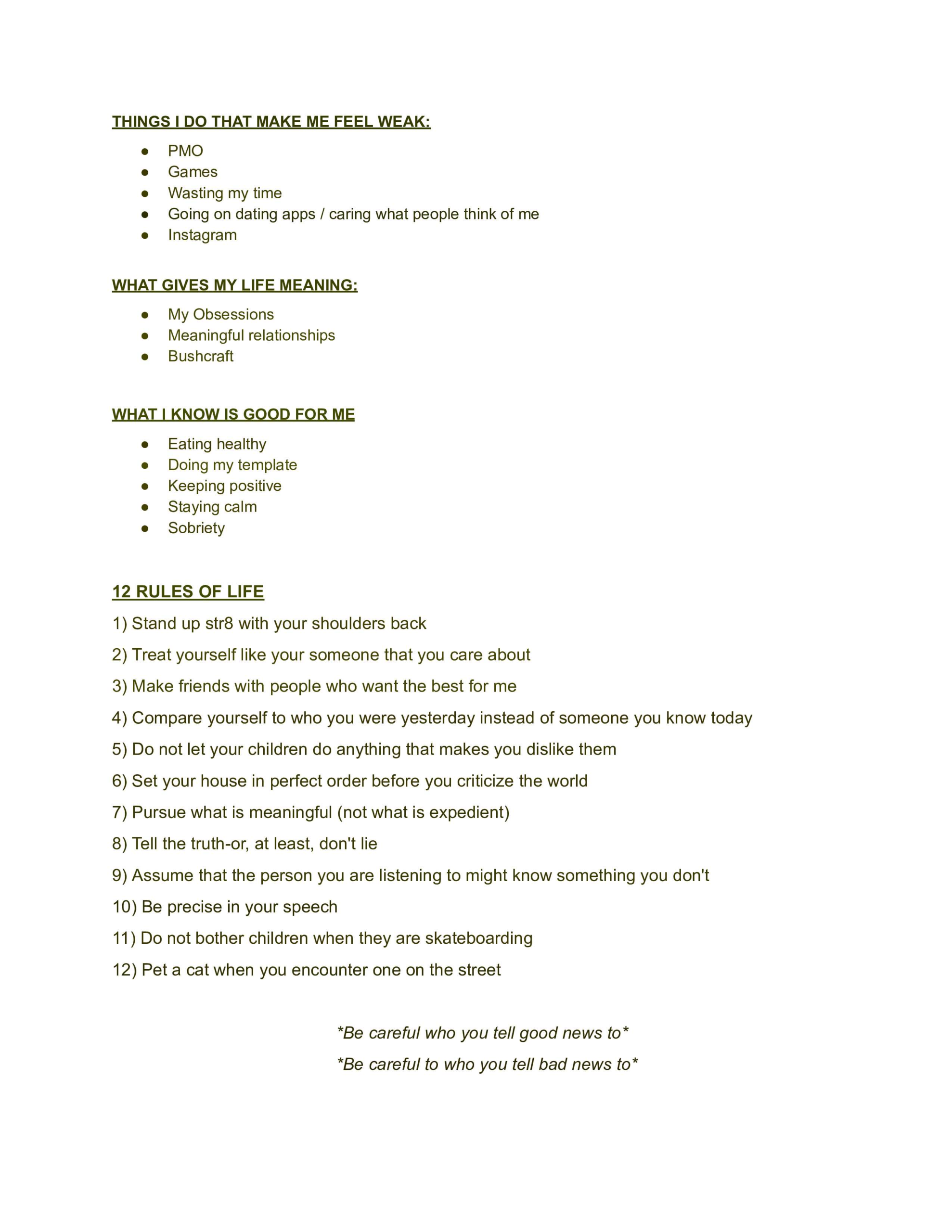
Use an affirmation as a reminder of how you intend to behave, rather than a promise about what other people will do. For example, pair “My opinion matters” with expressing one preference clearly: “I’d rather go somewhere quieter tonight.” Pair “I can handle an awkward moment” with introducing yourself even when you do not have a polished opening. You can judge the exercise by whether you took the action—not whether you received praise or approval.
Be direct about needs and boundaries
When something bothers you, try describing the situation and making a specific request. “When our plans change at the last minute, I have trouble organizing my evening. Could you let me know earlier?” gives the other person something concrete to respond to. Avoid using confidence advice as permission to insult, pressure, or dismiss someone. The same respect you ask for should extend to their preferences and boundaries.
Choose one thing to practise this week
Pick one small action: introduce yourself, make an invitation, state a preference, or explain a boundary calmly. Afterwards, consider what you did, what felt awkward, and what you would change next time. You do not need to score yourself on whether everyone liked you. Focus on whether you were clear, considerate, and willing to participate.